
Specialist in DCR Service & Support
LMC Field Services provides independent technical service and support for workshops operating DCR equipment across the UK & Europe.
Our services are built on many years of hands-on experience leading service operations at DCR Systems, supporting customers with installation, diagnostics, maintenance, training, and technical troubleshooting.
If your business relies on DCR equipment, dependable technical support is essential to maintain consistent results and minimise production downtime.
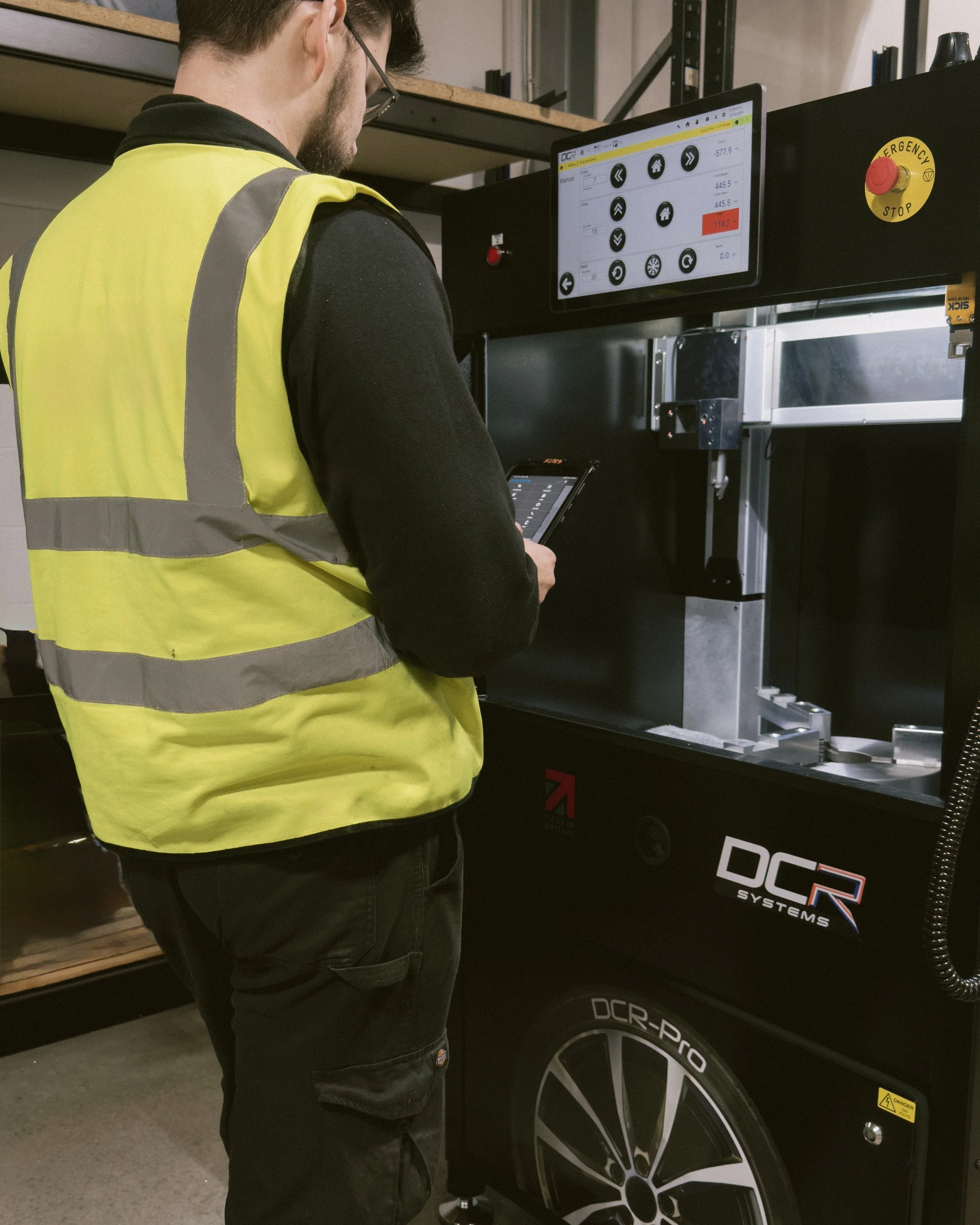
How We Can Help
-
Fault finding and troubleshooting for DCR machines, including sensor issues, calibration errors, and mechanical problems.
-
Scheduled servicing and calibration to keep machines running reliably and reduce unexpected downtime.
-
Remote assistance and expert guidance to help operators resolve issues quickly and keep production moving.
-
Professional operator training designed to help teams confidently operate DCR equipment and understand correct procedures for safe and efficient machining.
Training sessions focus on practical machine operation, correct setup procedures, calibration awareness, and troubleshooting common production issues.
Need help with your machine?
If you're experiencing issues with your DCR equipment or need technical support, get in touch, and we’ll help you diagnose the problem and get your machine running again.
Free Consultation Request
Let’s arrange a quick 15min call to see how I can help!
Frequently Asked Questions
-
Yes. We provide remote diagnostics and on-site support to get machines back up and running as quickly as possible. In many cases, faults can be diagnosed remotely before a visit.
-
We recommend a full service at least once per year depending on usage. High-volume workshops may benefit from more frequent inspections to maintain cutting quality and machine accuracy.
-
A typical service includes:
Full mechanical inspection
Stage and axis checks
Spindle inspection
Alignment verification
Cleaning and lubrication
Software and motion checks
Operational testing
-
You can safely load wheels up to 795 mm total diameter (edge to edge) with the tyre still fitted. If the wheel diameter is larger than 795 mm, the tyre must be removed before cutting.
-
Lines can appear due to vibration, incorrect RPM settings, worn cutting tips or machine alignment issues. Try reducing the inner and outer RPM from 500 RPM to between 480 and 400 RPM to reduce vibration and achieve a smoother finish.
-
This can be caused by stage obstruction, following errors, communication faults or incorrect setup. Cleaning the stages and checking the machine alignment often resolves the issue.